Insurance & vet costs 🏥
What a policy pays, what it never pays, and what a bad year at the vet actually costs. Every figure comes from insurers’ own policy documents and published veterinary sources, with independent reviews filling the gaps where an insurer doesn’t publish a number — never from their ad copy.
US market only. Prices are in USD. Nothing in this section is insurance, veterinary or financial advice.
📰 Guides in this section
Start with the comparison if you’re choosing an insurer. The other three answer the questions that decide whether a policy is worth it for your pet.

The Best Pet Insurance of 2026
Six insurers judged on reimbursement rate, deductible, annual limit and waiting period — the four numbers that decide what a claim actually pays. Includes typical monthly costs by pet age, and what no policy will ever cover.
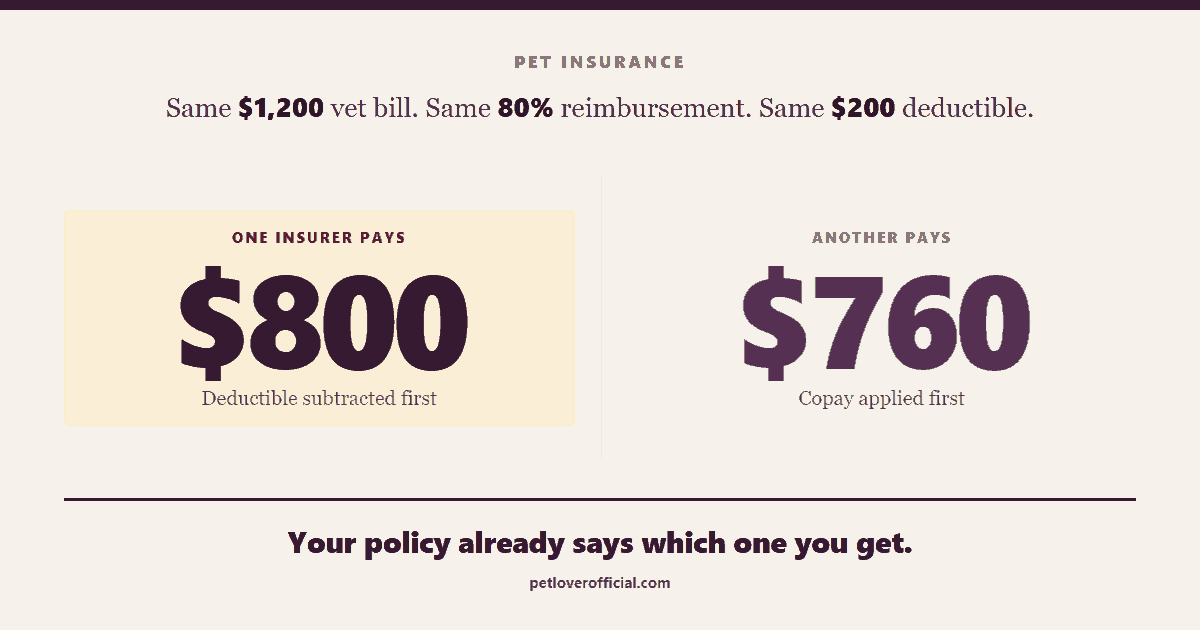
How Pet Insurance Reimbursement Really Works
Same 80%, same deductible, different payout. Why the order of two subtractions matters, what the percentage is really a percentage of, and the disclosure document that answers it in writing.
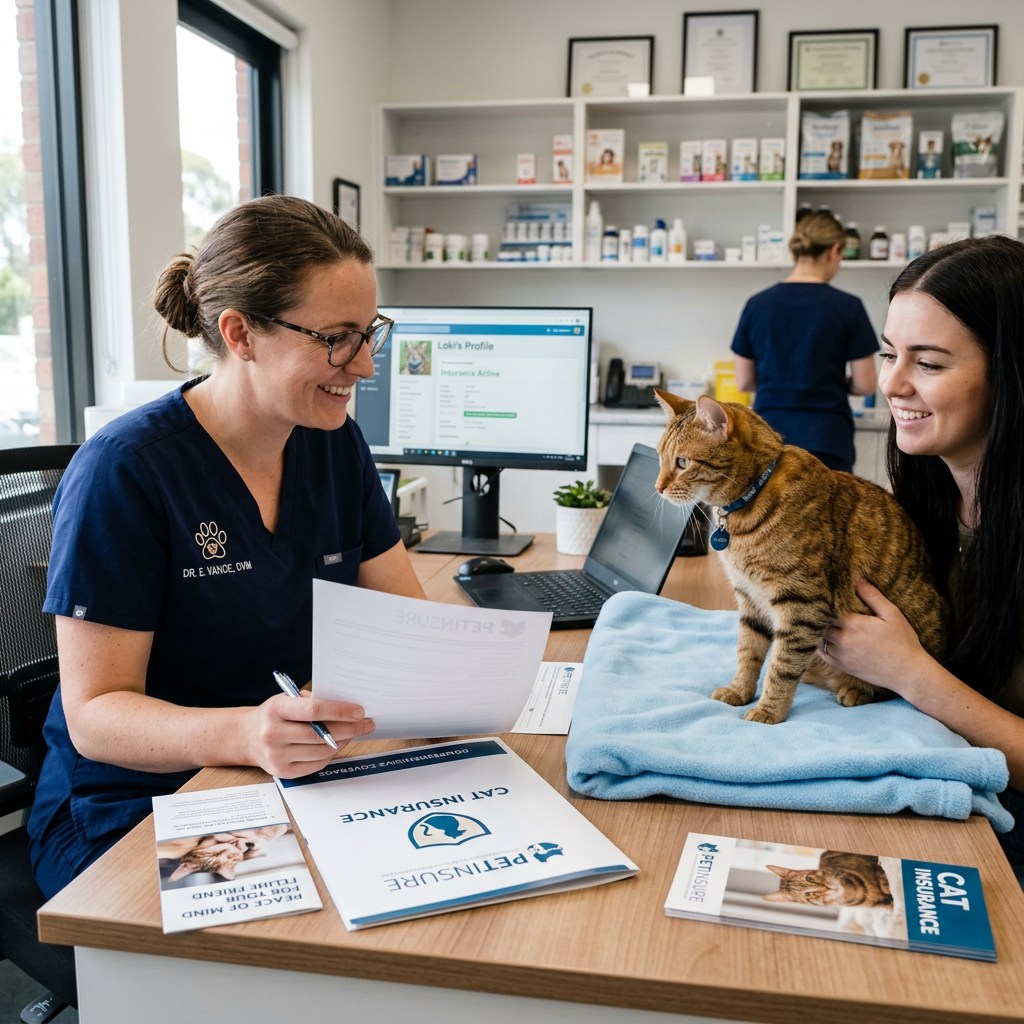
Is Cat Insurance Worth It?
Cats cost about half as much as dogs to insure, and almost everything that goes wrong with them is an illness, not an accident. Why accident-only cover is the wrong economy for an indoor cat.
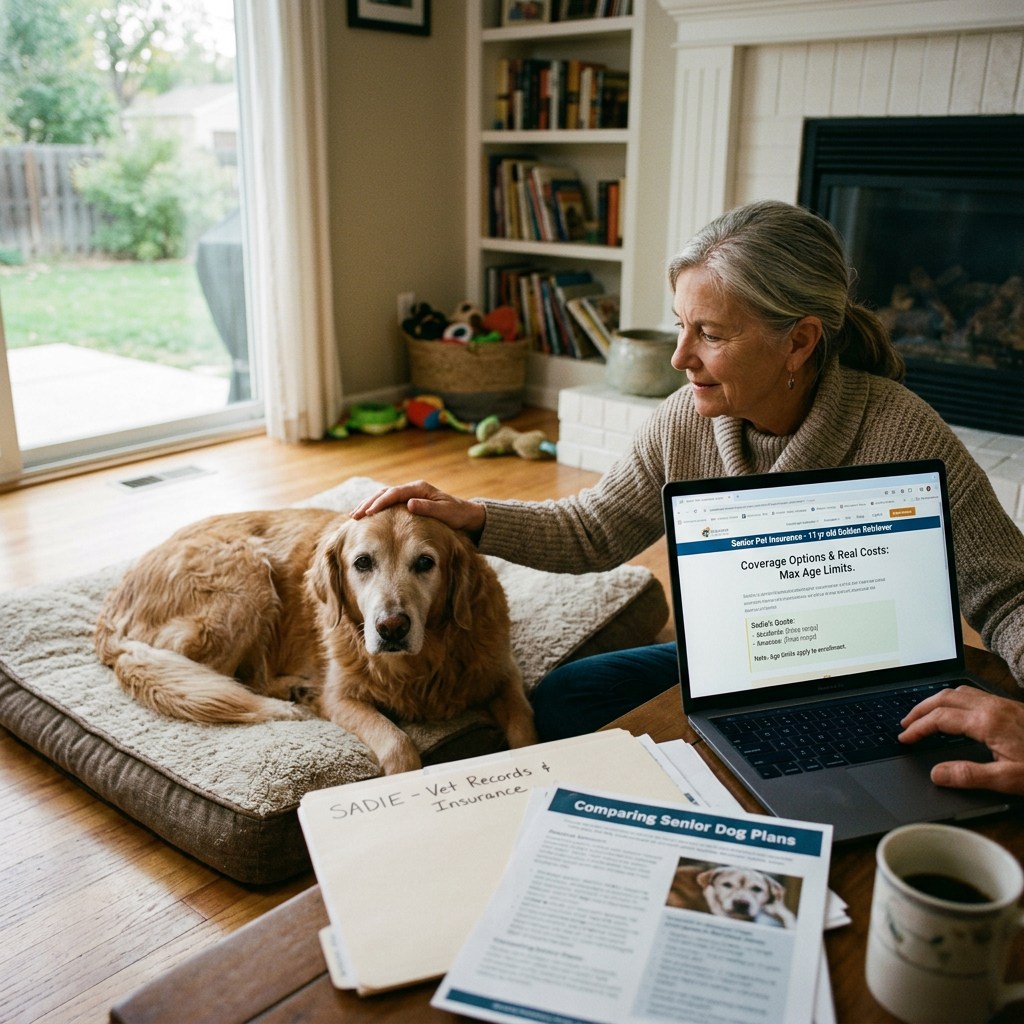
Is It Too Late to Insure an Older Dog?
All six insurers we track will still take a twelve-year-old. Whether the policy pays for anything depends on what’s already in the medical record — and when saving beats insuring.
🌱 Start with your question
Pick the one closest to what you’re trying to decide.
You’ve decided to insure, and need to choose a company.
Compare reimbursement, deductible, annual limit and waiting period side by side. Compare six insurers
Your cat never goes outside, so accident-only seems enough.
Kidney, thyroid and dental disease don’t need an open door. Read the cat guide
Your dog is eight or older, and you never got around to it.
The age limit is rarely the problem. The medical file usually is. Read the senior dog guide
You want to know what a claim will actually put back in your account.
Two policies quoting the same 80% can pay different amounts. See how payouts are calculated
You want to know what your own state actually requires.
Seventeen states regulate pet insurance. Thirty-three do not. Look up the law where you live
You are trying to work out how bad a vet bill can actually get.
The twenty largest claims of 2025, and why only three of them were accidents. See the biggest bills
📝 Three rules that apply to every policy
Whichever insurer you pick, these decide more than the brand does.
Pre-existing means documented
Every US insurer excludes conditions that showed signs before coverage began — and a note in the records is enough, not just a diagnosis. Read your pet’s file before you buy. The insurer will read it after your first claim.
The clock starts after you pay
Accident waits run from none at all to 14 days and illness waits from 14 to 30. Many policies lock out orthopedic conditions for six months, though some waive or shorten that with a vet exam at enrollment.
The formula is published
In sixteen of the seventeen states with a pet insurance statute, insurers must publish how they calculate claim payments, in a document titled “Insurer Disclosure of Important Policy Provisions”. Read it before your free look runs out — that is 30 days in nine states, 15 in five, and 10 days in Maryland. Check yours.
💵 What you’re insuring against
NAPHIA puts the 2025 US average accident-and-illness premium at $836 a year for dogs and $435 for cats. Here is what those premiums are priced against — and at the far end, the twenty largest claims insurers actually paid, where the biggest was $66,600.
| Event | Typical US cost | Covered in |
|---|---|---|
| Torn cruciate ligament (TPLO surgery) | $4,000 – $7,000 | Dog ACL surgery cost |
| Swallowed sock or toy, emergency surgery | $2,000 – $10,000 | Insurer comparison |
| Urinary blockage in a male cat | $1,500 – $3,500 | Cat insurance |
| Full-mouth dental extraction in a cat | $1,500 – $3,000+ | Cat insurance |
| Lymphoma chemotherapy (CHOP) in a dog | $5,000 – $8,000 | Senior dogs |
| Chronic kidney disease, ongoing management | $100 – $500 a month | Cats and senior dogs |
Typical ranges compiled in 2026. Costs vary widely by region and clinic — each guide lists its sources. What owners pay for cover varies by state too: on NAPHIA’s own 2025 figures the average insured pet costs about 18% more than the national average in Massachusetts and about 15% less in Ohio. See the state-by-state breakdown.

